Day of the Dead: Part 1. Smoke, Skulls, Saints & Syncretism
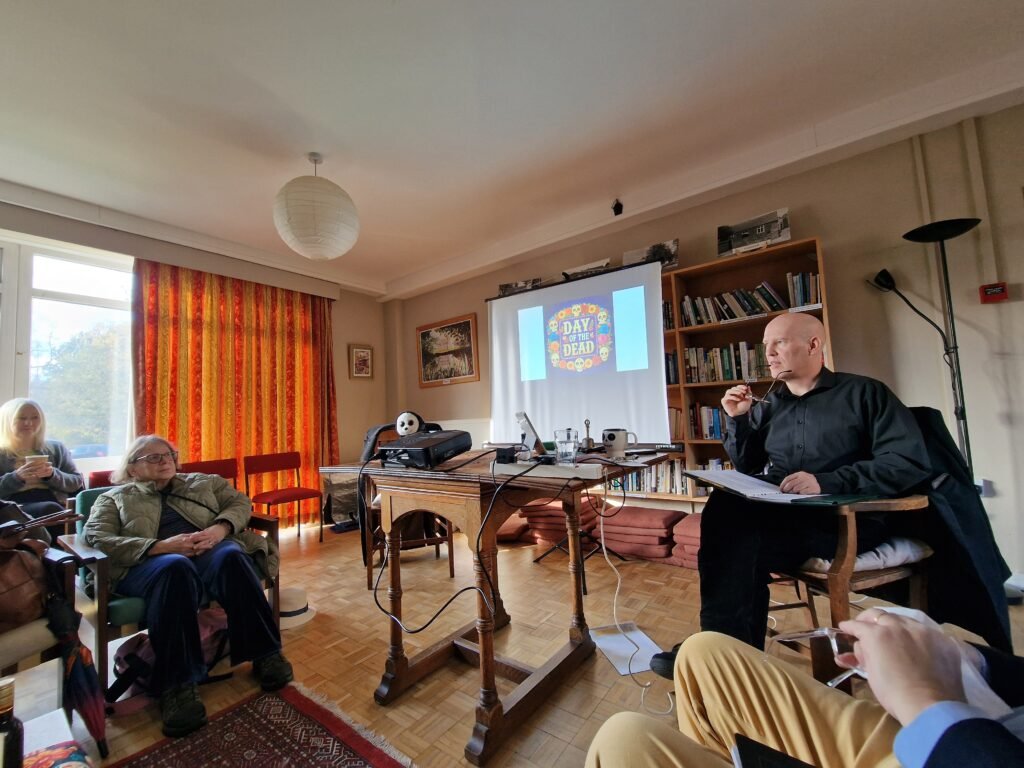
Ten takeaways from Shaun Johnson’s wide-ranging talk in November 2025
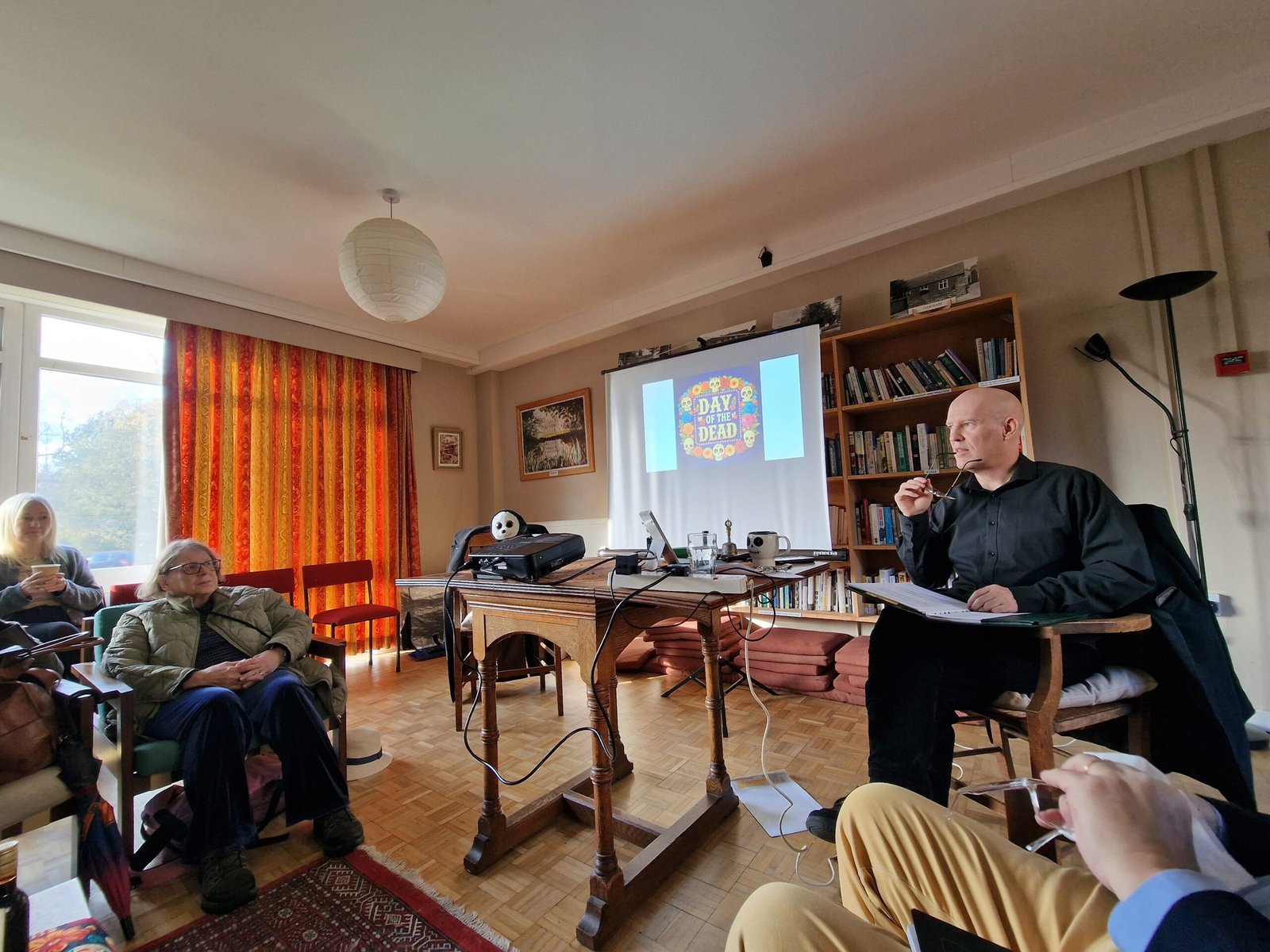
The Day of the Dead is often reduced to sugar skulls, face paint, and Instagram parades. But as Shaun Johnson’s talk showed, it’s something far richer, stranger, and older — a living tradition shaped by ritual, rebellion, remembrance, and a bit of chaos.
Here are ten key takeaways from the November talk in case you missed it!
1. It’s Not One Day — and It Never Was
Despite the name, the Day of the Dead actually spans October 31st to November 2nd, with the 1st of November as the main focus. The dates blur depending on culture, region, and tradition — which is a theme you’ll notice comes up a lot.
2. The Altar Isn’t Decoration — It’s an Invitation
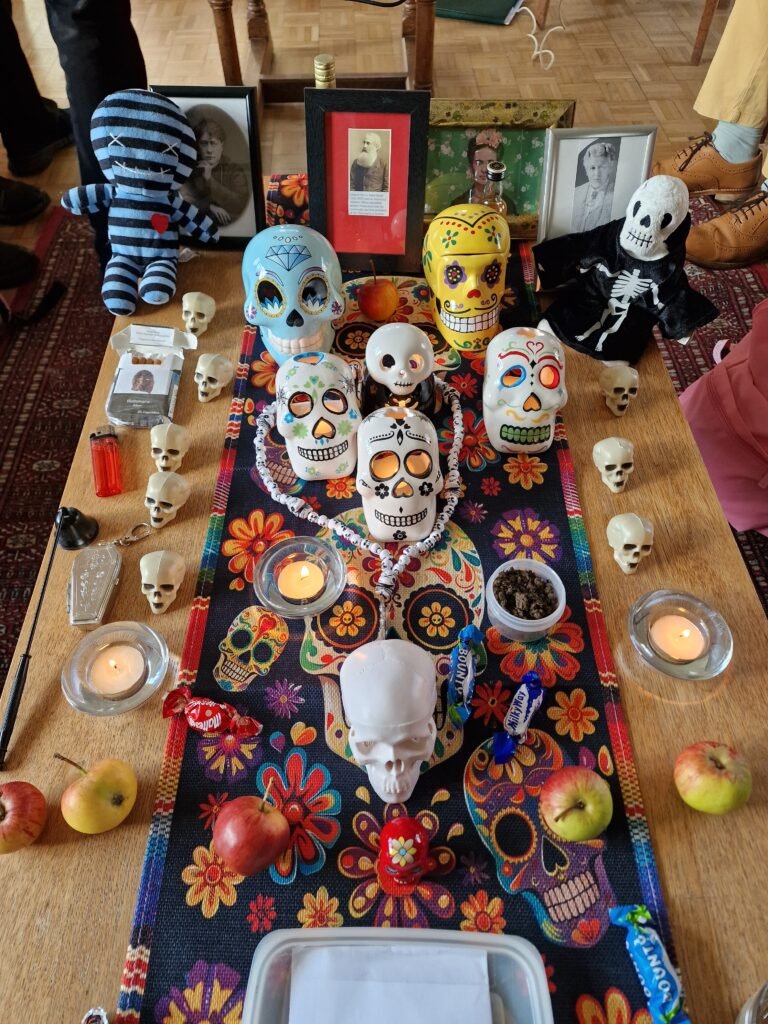
This wasn’t a talk about an altar — the altar was doing the work. Fire, water, earth, air, offerings, scent, and images weren’t symbolic props but active tools meant to honour, attract, and commune with the dead. Less museum exhibit, more spiritual technology.
3. Remembering the Dead Is Universal (and Very Old)
Mexico doesn’t have a monopoly on honouring the dead. Similar traditions appear across Europe, China, Greece, Poland, and beyond. Grave-cleaning, offerings, food, incense, bells, picnics — humans everywhere seem to feel the urge to stay connected to those who came before.
4. Catholicism Didn’t Invent It — It Absorbed It
The modern Day of the Dead is a syncretic blend of indigenous traditions and Catholic practices like All Saints’ Day and All Souls’ Day. The Church didn’t erase older beliefs so much as layer itself over them — sometimes uneasily.
5. All Saints, All Souls, and a Lot of Politics
All Saints’ Day moved dates, meanings, and purposes over centuries. All Souls’ Day focused on praying for the dead — especially those stuck in purgatory. But shifts between Catholicism and Protestantism meant bell-ringing, prayers, and rituals were sometimes banned, fought over, or done secretly.
6. The Dead Like a Party (Apparently)
Historical records show that Day of the Dead celebrations were often wild. Authorities tried banning alcohol and cemetery gatherings in the 1700s and 1800s because people were getting drunk, fighting, and generally having a great time among the tombstones. Honour doesn’t have to be quiet.
7. Skeletons Are Political (and Democratic)
Artists like José Guadalupe Posada used skeletons to mock the rich and powerful. His famous La Catrina reminded everyone that wealth, status, and arrogance disappear in death. Eventually, this imagery became central to Day of the Dead iconography — death as the great equaliser.
8. Frida Kahlo Changed the Face of the Dead
Over time, La Catrina’s fancy hats gave way to flowers, braids, and Frida Kahlo’s image. Frida — through pain, beauty, and brutal honesty — became a modern symbol of mortality, resilience, and creativity. Her art plugged Day of the Dead into something timeless and global.
9. Skulls + Flowers = The Whole Point
This pairing shows up everywhere for a reason. Flowers bloom and die. Skulls endure. Together they say: life is brief, death is certain, and meaning sits in between. From ancient Greece to Dutch vanitas paintings to modern festivals, it’s the same message in different costumes.
10. Parades Are Just the Surface
Public parades are fun — and important — but they’re the exoteric layer. Beneath that lies the real heart of the Day of the Dead: personal remembrance, communion with ancestors, thinning the veil, and facing mortality without fear. Or, as this talk showed, with bells, incense, laughter, and maybe a cigarette for Madame Blavatsky.
In short:
The Day of the Dead isn’t about death.
It’s about connection.
And humans, it turns out, really don’t like saying goodbye.
Look out for Part 2 which promises to go even deeper — and possibly weirder...
Death as an inevitability and a moment of transformation
“We’re not only reminding ourselves of death as an inevitability, but also as a moment of transformation. Whilst making light of what it means to be impermanent, we are able to contemplate both the meaning of life and what it means to be beyond the physical realms. In doing so, we thin the veil between ourselves and the spiritual realms and the realms of the dead still further at a time of year when it’s already at its thinnest.”