Theosophy and the Bahá’í Faith in Conversation
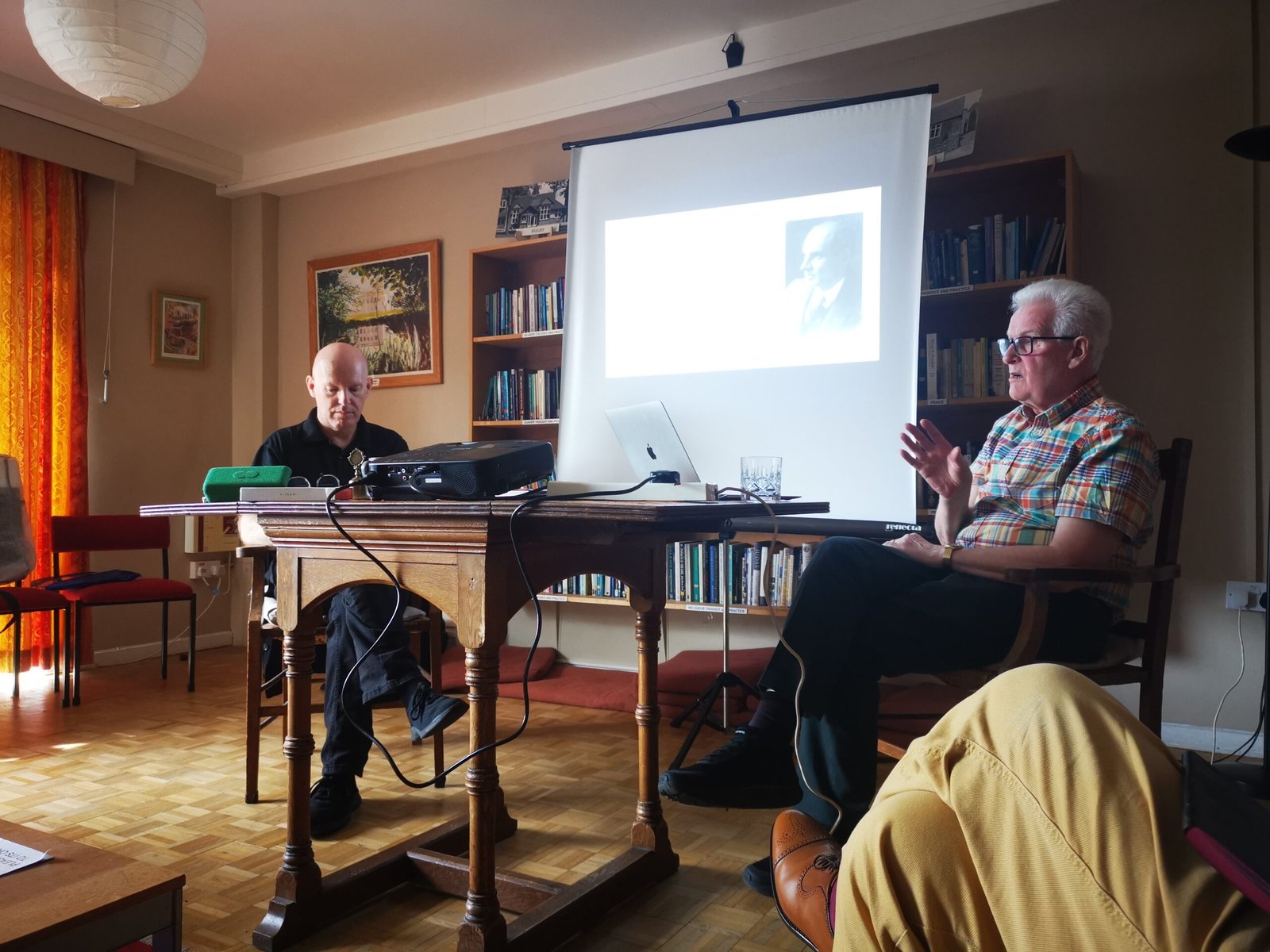
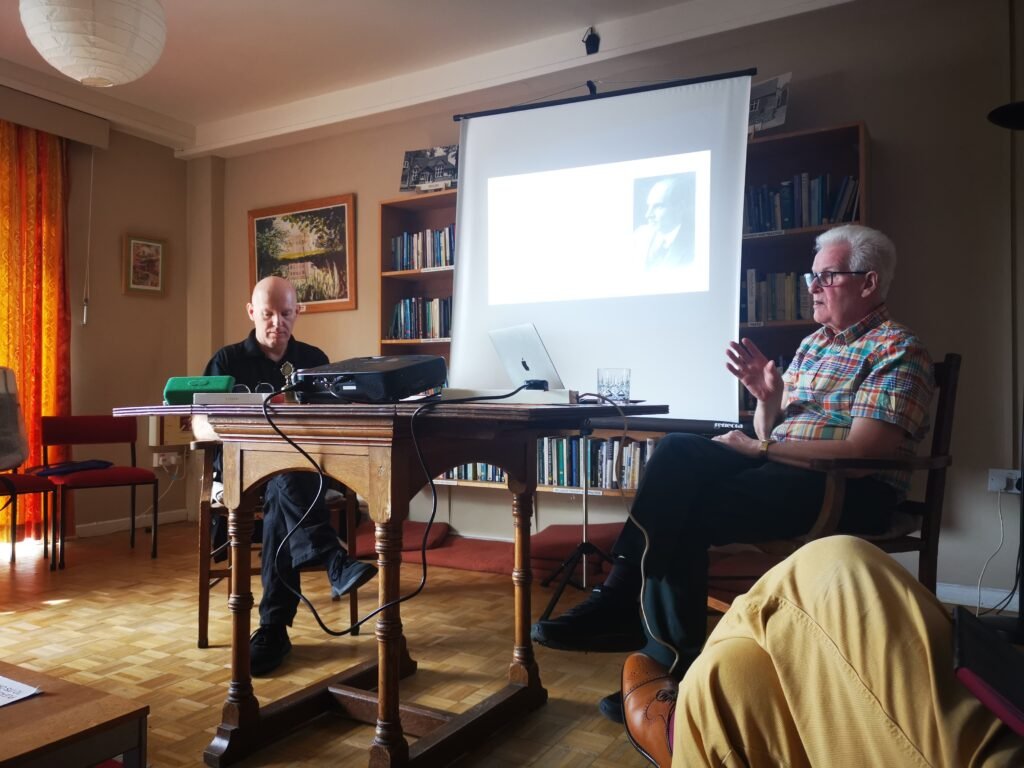
A thought-provoking talk was provided by speaker Kevin Beint at the Theosophical Society Leicester Lodge titled “Theosophy and the Bahá’í Faith in Their Early Days.”
A Time of Upheaval—and Opportunity
The lecture began by taking us back to the late 19th century. It’s easy to romanticise this era as one of innovation and empire—but the reality for most people was far harsher.
Workers faced dangerous conditions. Women had little to no political power. Children worked long hours with minimal education. Healthcare was almost non-existent for the poor. Society was rigid, unequal, and, in many ways, deeply unjust.
And yet, this pressure cooker of inequality created something important: a widespread hunger for change.
Not just political change—but moral and spiritual change too.
Why Theosophy and the Bahá’í Faith Emerged
Into this environment came movements like Theosophy and the Bahá’í Faith—offering not just critique, but vision.
Theosophy, founded by Helena Blavatsky in 1875, encouraged people to explore the deeper connections between religion, science, and philosophy. It wasn’t a religion itself, but a framework—an invitation to think differently about truth.
The Bahá’í Faith, emerging slightly earlier through the teachings of Bahá’u’lláh, took a more structured form—but with a strikingly modern message: humanity is one, and our divisions are obstacles to progress.
What became clear during the talk is that these two movements weren’t operating in isolation. They were part of the same broader cultural shift—a move away from rigid thinking and towards something more inclusive, more global, and more humane.
The Shared Thread: Unity
One of the most fascinating parts of the lecture was seeing just how closely aligned Theosophical and Bahá’í ideas really are.
Both emphasise the unity of humanity. Both suggest that all religions come from a single divine source. Both see spiritual development as central to human progress.
The Bahá’í concept of “progressive revelation”—that each religion is like a chapter in one unfolding story—echoes strongly with Theosophy’s exploration of shared wisdom traditions.
Even structurally, there are parallels. Where Theosophy encourages personal spiritual discovery without rigid hierarchy, the Bahá’í Faith removes clergy altogether, relying instead on elected bodies.
It’s no coincidence, then, that many early Bahá’ís in Britain were first involved in Theosophical circles.
The People Who Made It Happen
What really brought the lecture to life were the individuals who bridged these worlds.
Figures like Annie Besant—a tireless campaigner for social justice—and Patrick Geddes—a visionary urban planner—weren’t just theorising about change. They were actively building it.
And then there was ‘Abdu’l-Bahá, who played a pivotal role in bringing Bahá’í teachings to the West.
When he visited the UK in the early 1900s, he spoke not only in churches and public halls, but also directly to Theosophical audiences. He didn’t dismiss their ideas—he built on them, reinforcing shared values like unity, peace, and equality.
Large crowds gathered to hear him speak—sometimes numbering in the thousands.
That level of interest says a lot. People weren’t just curious—they were ready.
Ideas That Became Action
This wasn’t just a meeting of minds—it had real-world impact.
The lecture highlighted how these shared ideas fed into wider social movements:
- The Garden City Movement, rethinking how communities could be designed for wellbeing
- Early interfaith dialogue, bringing different religions into conversation
- Campaigns for women’s rights, education, and workers’ welfare
These were practical expressions of a deeper belief: that society could—and should—be organised around fairness, unity, and human dignity.
Why It Still Matters
Sitting there, listening to all this, it was hard not to feel a sense of déjà vu. Because the questions people were asking then are not so different from the ones we’re asking now:
- How do we create a more equal society?
- How do we live with difference—across cultures, beliefs, identities?
- What does progress really mean?
Kevin Beint’s points — that Theosophy and the Bahá’í Faith gained traction because people were searching for change—feels just as relevant today.